⚙️ Basic Info.
Cooling Method
Water Cooling
Output Type
AC Three Phase
Conditions of Use
Land Use
Usage
Common Units, Standby Unit, Emergency Crew
Landuse Type of Unit
Automation Type
Excitation Mode
Static Exciter
Voltage Output
230/400V, Others as Application Requested
Application
Telecom Communication/Hospital/ Construction
Accessory[a]
a Suit of Ripple Flex Exhaust Pipe, Exhaust Siphon
Governing Type
Mech./Elec.
Certificate Available
CE, ISO, OEM Authorization etc.
Fuel System
Direct Injection
Production Capacity
1000/Year
📄 Product Description
As part of a Global Power Supplier initiative, professional solutions for the design, application and after-sales support of generators are provided. Strongly focused on innovation and product design flexibility, these genset power products are successful in global markets, capable of operating autonomously, in parallel, on-site, or remotely controlled.
With more than 10 years of experience in manufacturing and exporting energy products, our team will advise you on the best product choices for your needs.
🛠️ General Troubleshooting
This section lists common faults for generating sets. Operators can determine and solve these based on the guidelines. For special failures, please contact authorized agents.
| Indicator Light |
Reason |
Fault Analysis |
| Low oil pressure alarm |
Light is on when oil pressure does not reduce normally. |
Lack of oil or lubrication system failure. Should automatically shutdown immediately. |
| High water temperature alarm |
Light is on when temperature reaches sensor setting. |
Lack of water/oil or overload. Should automatically shutdown immediately. |
| Low fuel level alarm |
Light is on when daily tank level is low. |
Detected by sensor. Generator should shutdown to protect system. |
| Battery charger fault alarm |
Charging system has fault while engine is running. |
Light is on at initial start; if it stays on, system has a fault. Does not trigger automatic shutdown. |
| Crank failure alarm |
Generator fails to start after 3-6 attempts. |
Oil supply system or start system failure. |
| Overload or breaker tripping |
Overloading or short circuit. |
Unload some parts, eliminate short-circuit, and re-close breaker. |
🔧 Maintenance Intervals
A Level (Daily Maintenance)
Check daily reports, fuel/coolant levels, belts for cracks, air filters, and battery electrolyte. Release water/sediment from fuel filters.
B Level (100 - 400 hours)
Replace fuel filters (100-250 hrs), replace oil & oil filter (200-250 hrs), replace air filter (300-400 hrs), and clean crankshaft/inlet air filter net.
C Level (2000 - 3000 hours)
Clean valve sludge, fasten all screws, clean crankcase, check turbo wear, adjust valve clearance, and check PT pump/injection quality.
D Level (3000 - 4000 hours)
Repair/change worn valves/seats, adjust connecting rods, clean carbon in inlet pipes, and wash the whole lubrication system.
Overhaul (9000 - 15000 hours)
Complete disassembly. Replace cylinders, pistons, rings, bearings, intake/exhaust valves, and repair/replace water pump and turbo charger sets.
❓ Frequently Asked Questions
When should the diesel engine oil and oil filter be replaced?
According to B-level maintenance, the oil and oil filter should be replaced after every 200 to 250 hours of operation.
What does a "Crank failure alarm" signify?
This alarm indicates that the generator set failed to start after three or six consecutive attempts, usually caused by oil supply or starting system issues.
Is daily maintenance necessary for the generator set?
Yes, A-level daily maintenance includes checking fuel/coolant levels, belts, and batteries to ensure the unit is ready for emergency use.
What should I do if the high water temperature alarm goes off?
The generator should automatically shut down. Check for a lack of water, oil shortage, or system overload before restarting.
How often should the air filter be replaced?
The air filter should be checked daily and typically replaced or cleaned every 300 to 400 operating hours, depending on the environment.
What is included in an overhaul maintenance?
An overhaul (9,000-15,000 hours) involves complete disassembly, replacing cylinders, pistons, bearings, and rebuilding the fuel and water pump systems.
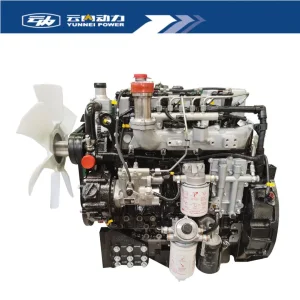
![135kw 140kw 145kw 150kw 155kw 160kw 165kw 170kw 200kw 250kw 270kw Power Diesel Engine for Fire Pumps Fire Fighting Pump Set[PE01]](http://site.cdnfile.io/www.alprohealthcare.com/2f0j00NclWCYwgyBon/135kw-140kw-145kw-150kw-155kw-160kw-165kw-170kw-200kw-250kw-270kw-Power-Diesel-Engine-for-Fire-Pumps-Fire-Fighting-Pump-Set-PE01-.webp)
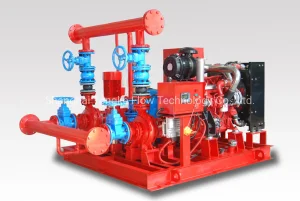
![135kw 140kw 145kw 150kw 155kw 160kw 165kw 170kw 200kw 250kw 270kw Power Diesel Engine for Fire Pumps Fire Fighting Pump Set[PE01]](http://site.cdnfile.io/www.alprohealthcare.com/2f0j00ECDYcGPIIhoz/135kw-140kw-145kw-150kw-155kw-160kw-165kw-170kw-200kw-250kw-270kw-Power-Diesel-Engine-for-Fire-Pumps-Fire-Fighting-Pump-Set-PE01-.webp)
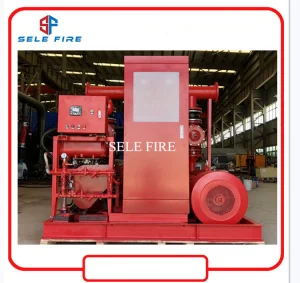
![135kw 140kw 145kw 150kw 155kw 160kw 165kw 170kw 200kw 250kw 270kw Power Diesel Engine for Fire Pumps Fire Fighting Pump Set[PE01]](http://site.cdnfile.io/www.alprohealthcare.com/2f0j00QeIGkhLBJlqu/135kw-140kw-145kw-150kw-155kw-160kw-165kw-170kw-200kw-250kw-270kw-Power-Diesel-Engine-for-Fire-Pumps-Fire-Fighting-Pump-Set-PE01-.webp)
![135kw 140kw 145kw 150kw 155kw 160kw 165kw 170kw 200kw 250kw 270kw Power Diesel Engine for Fire Pumps Fire Fighting Pump Set[PE01]](http://site.cdnfile.io/www.alprohealthcare.com/2f0j00aeLRcZHsHVqg/135kw-140kw-145kw-150kw-155kw-160kw-165kw-170kw-200kw-250kw-270kw-Power-Diesel-Engine-for-Fire-Pumps-Fire-Fighting-Pump-Set-PE01-.webp)
![135kw 140kw 145kw 150kw 155kw 160kw 165kw 170kw 200kw 250kw 270kw Power Diesel Engine for Fire Pumps Fire Fighting Pump Set[PE01]](http://site.cdnfile.io/www.alprohealthcare.com/2f0j00EMHfcNIShlkg/135kw-140kw-145kw-150kw-155kw-160kw-165kw-170kw-200kw-250kw-270kw-Power-Diesel-Engine-for-Fire-Pumps-Fire-Fighting-Pump-Set-PE01-.webp)
 Anj
Anj


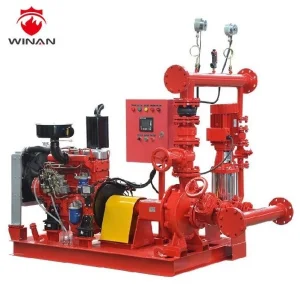
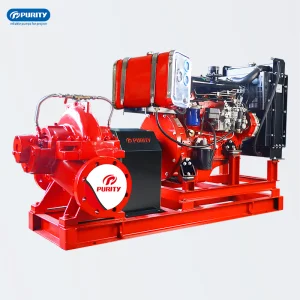
![135kw 140kw 145kw 150kw 155kw 160kw 165kw 170kw 200kw 250kw 270kw Power Diesel Engine for Fire Pumps Fire Fighting Pump Set[PE01]](https://site.cdnfile.io/135kw-140kw-145kw-150kw-155kw-160kw-165kw-170kw-200kw-250kw-270kw-Power-Diesel-Engine-for-Fire-Pumps-Fire-Fighting-Pump-Set-PE01-300_300.webp)