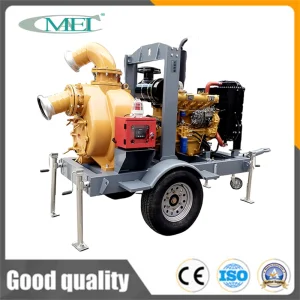
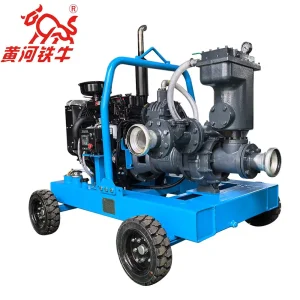
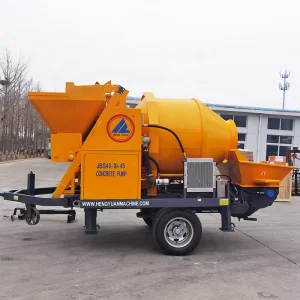
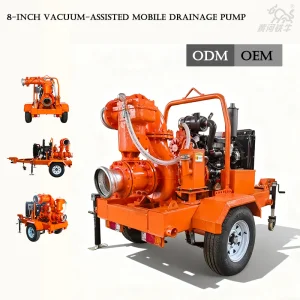
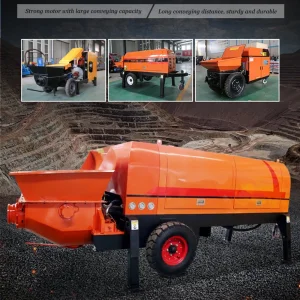
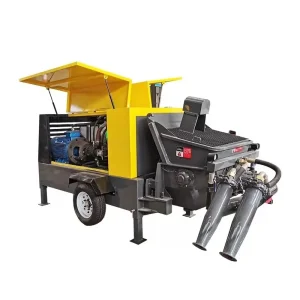
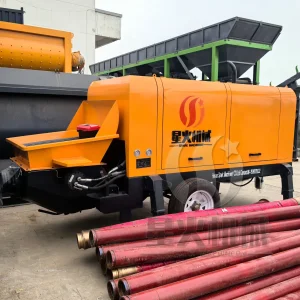
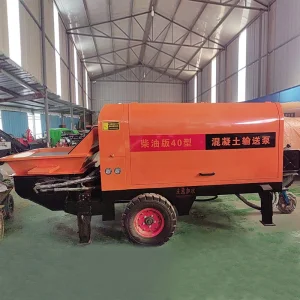
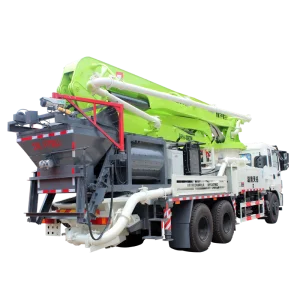
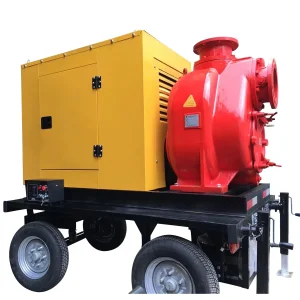
Professional and experienced design supported by strong technology and advanced equipment ensures a strict production procedure from design and testing to after-service. This guarantees stable quality and technological innovation. The equipment is approved by ISO9001 and CE standards, offering stable performance for global industrial and agricultural needs.
Detailed Photos
Frequently Asked Questions
How to choose a proper diesel water pump?
Assess the required flow rate and head according to your application. Consider the fluid type. Pick a pump that can meet current and future demands. Also, check installation space and pipeline compatibility.
What factors should be considered for pump size?
Pump size relates to flow rate, head, and inlet/outlet caliber. Larger pumps handle higher flow and head. The caliber should match pipes for smooth flow and fit the installation space.
How do I calculate the required head (Lift Height)?
Head = vertical lift + friction losses. Measure the vertical height and estimate friction losses based on pipe length, diameter, and fittings. It is recommended to use standard engineering formulas for accuracy.
Can the pump operate at a head higher than its rated capacity?
Technically yes, but it will be inefficient and may damage the pump. It reduces flow rate, stresses components, and overworks the engine. Always choose a pump with a suitable rated head.
What are the consequences of using an incorrectly powered engine?
Under-powered engines lead to poor performance and stalling. Conversely, over-powered engines waste fuel and increase unnecessary wear on the pump components.
What are the recommended daily maintenance tasks?
Check and top-up fuel, oil, and coolant before use. Clean the air filter regularly. Inspect the impeller, belts, and connections for leaks. Always flush the pump after handling dirty water.


 Anj
Anj