🏢
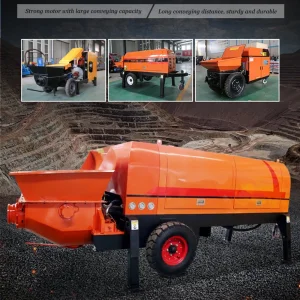
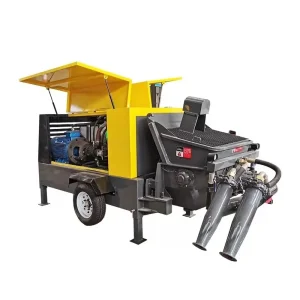
Technical Specifications
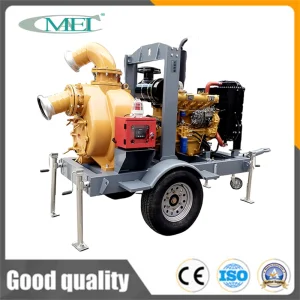
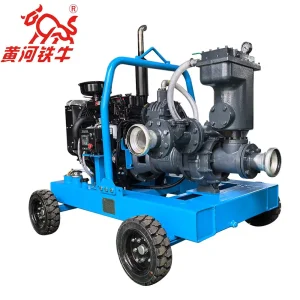
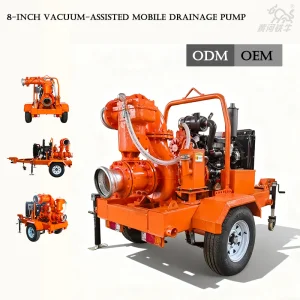
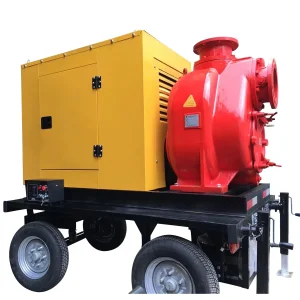
| Driving Type | Diesel Engine |
| Type | Jet Pump |
| Transport Package | Wooden-Case |
| OEM | Acceptable |
| Theory | Centrifugal Pump |
Having professional and experienced workers, supported by strong technology and advanced equipments, we successfully formed strict and perfect production procedure from design, production, testing, to after-service, which guarantee the stable quality and technology innovation. We have been approved by ISO9001 and CE. Owing to good quality and stable performance, we have been working with clients in long term worldwide. Our main markets cover East European countries, American counties, Asia, Africa, and Australia etc.
Frequently Asked Questions
1. How do I calculate the required lift head for my application?
The total head is calculated as the vertical lift height plus friction losses. Measure the vertical height from the water source to the discharge point and estimate friction losses based on pipe length, diameter, and fittings.
2. Can this pump operate at a head higher than its rated capacity?
While technically possible, it is inefficient and may damage the pump. It reduces the flow rate, stresses components, and overworks the diesel engine. It is always recommended to choose a pump with a suitable rated head.
3. What should I do if the flow rate is lower than expected?
Check for debris blockages, impeller damage, or air leaks in the connections. Ensure the pump is properly primed and the running speed is correct. Regular cleaning and inspection of the impeller are essential.
4. Why is matching the right engine power important?
Under-powered engines lead to poor performance and frequent stalling, while over-powered engines waste fuel and increase mechanical wear. Proper matching ensures optimal fuel efficiency and pump longevity.
5. What are the consequences of using a caliber that is too small?
A small caliber restricts flow and increases pressure losses. This can cause the pump to overheat, consume more fuel, and potentially lead to erosion or cavitation within the system.
6. How often should maintenance be performed?
Basic checks (fuel, oil, coolant, and leaks) should be done before and after each use. More thorough maintenance, such as cleaning air filters and inspecting belts, should be performed on a regular schedule based on usage hours.


 Anj
Anj