1 / 5
 Anj
Anj
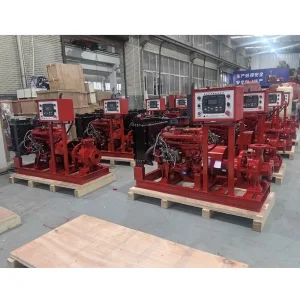
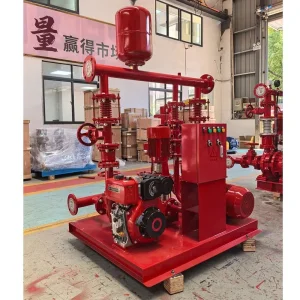
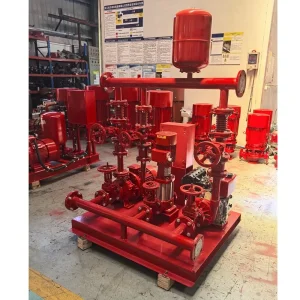
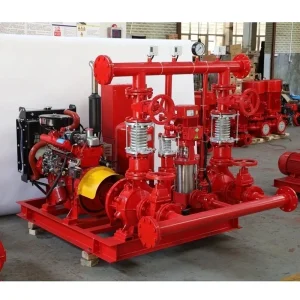
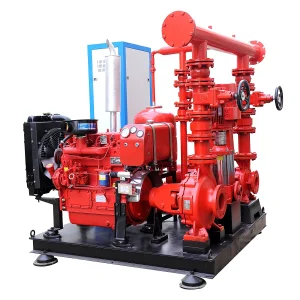
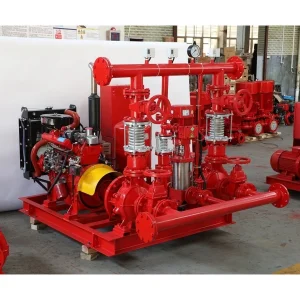
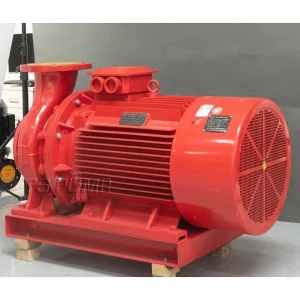
Fire Fighting Engine Pump System --- FST
An optimized product that is based on the OSC (Off-Site-Construction) method and can be delivered as a combined Engine Pump & Fire Fighting Package System (FST).

System Features


Critical Fire Equipment: Fire pumps are essential for sprinkler systems, fixed fire suppression systems, and fire trucks. Unlike general pumps, these are optimized for emergency-start scenarios.
XBD Fire Pumps: Motor-driven pumps widely used in industrial and civil buildings for hydrants and automatic sprinklers. All shafts and flow passages are constructed from corrosion-resistant materials such as stainless steel (20Cr13 or equivalent).
Efficiency & Performance: Since these are emergency pumps, they prioritize reaching rated operating conditions and normal starting over noise or cavitation metrics. They typically operate on a priming method for water intake under positive pressure.


Performance Curve & Monitoring
Fire pumps require outlet pressure to vary with flow rate, featuring a relatively flat head curve. As flow increases, pressure decreases gradually to meet regulation requirements. The system is equipped with high-precision (grade 2.5) vacuum and pressure gauges to monitor inlet/outlet conditions and motor voltage/current throughout operation.


The manufacturer is a multinational pump specialist founded in 1980. With multiple production bases, the company focuses on fluid equipment manufacturing, environmental engineering, and energy-saving pump solutions. The marketing network extends across Southeast Asia, North America, Western Europe, and the Middle East, supported by over 300 patents.
Why Choose Us?
Other Products