1 / 5
 Anj
Anj
Automatically fire fighting equipment FM200, with online technical design and FM 200 installation guide
The FM-200 Fire Suppression System is an engineered system utilizing a fixed nozzle agent distribution network. The FM200 fire suppression system is designed and installed in accordance with the National Fire Protection Association (NFPA) Standard 2001, "Clean Agent Fire Extinguishing Systems." When properly designed, the FM-200 suppression system will suppress surface burning fire in Class A, B, and C hazards.
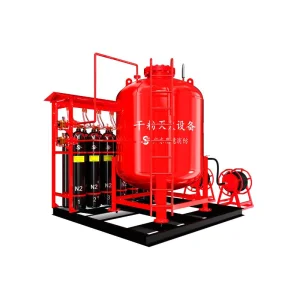
This intelligent automatic fire extinguishing system consists of a bottle rack, fire extinguisher bottle, container valve, high-pressure hose, liquid check valve, header, safety valve, selector valve, and more. It can be configured as a unit independent system or a combined distribution system, using full flooding methods for single or multiple protection zones.
| Model | QMQ4.2/70N-GA, 90N-GA, 100N-GA, 120N-GA, 150N-GA |
| Cylinder Capacity | 70L, 90L, 100L, 120L, 150L |
| Agent Type | HFC-227ea (FM200) |
| Filling Density | ≤950KG/m³ |
| Storage Pressure | 4.2MPa |
| Max Working Pressure | 5.3MPa |
| Starting Mode | Manual / Auto (DC24V/1.6A) |
| Temperature | 0-50°C |
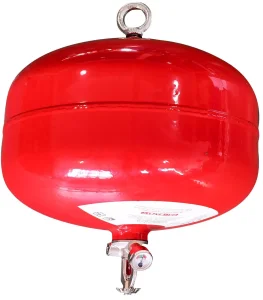
Also known as a pipeless network or prefabricated system. It eliminates the need for transfer pipes or dedicated storage rooms. The device is placed directly in the protection zone, ensuring faster fire suppression with zero pipeline loss.
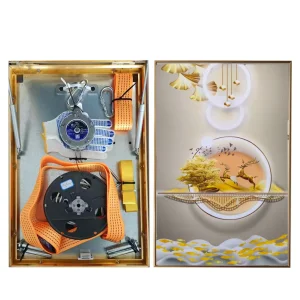
Available in electromagnetic and fixed temperature types. These units are installed on walls or ceilings, saving floor space. They are ideal for quick fire suppression in small to medium protection zones with simple installation requirements.
FM-200 suppresses fire through a combination of physical and chemical reactions. It quickly eliminates heat and prevents chain reactions of combustion. The physical properties allow for rapid cooling of flame temperatures during the vaporization stage, while chemical free radicals stop the combustion process.