Maintaining an NFPA20 Fire Pump is crucial for safety and reliability. Regular inspections can prevent severe failures. Fire pumps, like any machinery, need proper care. Ignoring maintenance may lead to costly repairs or worse, failure during emergencies.
Ensuring optimal performance requires attention to detail. Daily checks on pressure levels are essential. Inspect the pump and engine regularly. Clean filters to avoid blockages. Replace worn parts on time to prevent unexpected breakdowns.
Training personnel is important but often overlooked. They need to recognize warning signs. Documentation of maintenance activities can be helpful. Reflecting on past incidents can guide future practices. Learn from mistakes to improve overall safety. An NFPA20 Fire Pump is a vital part of fire protection and deserves dedicated maintenance efforts.
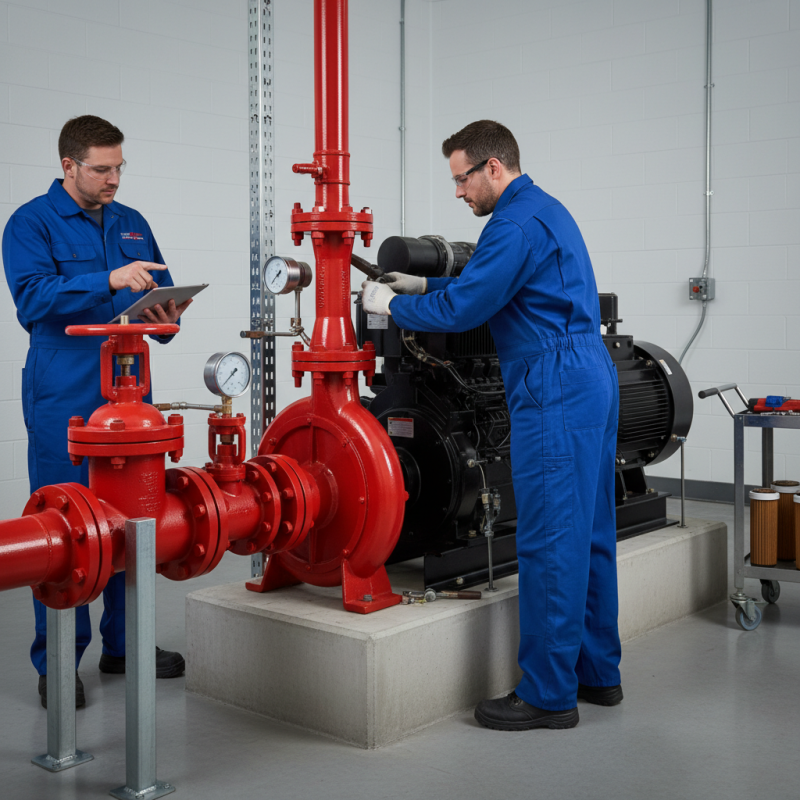
To maintain an NFPA20 fire pump effectively, it's essential to understand its fundamental components. This type of pump is designed for reliable fire protection. Regular inspections are crucial. Look for wear on seals and gaskets. These parts can deteriorate over time, which may affect performance. Pump life relies on proactive care.
Weekly checks can prevent many issues. Ensure the pump starts and stops as expected. Listen for unusual noises during operation. These may indicate deeper problems that require attention. Monitor pressure gauges regularly. Abnormal readings might signal a need for intervention. Routine maintenance should include checking the pump's alignment and the status of its electrical connections.
It’s easy to overlook smaller details during maintenance. For example, not changing the oil can affect pump efficiency. Keep a maintenance log to track inspections. This will reveal patterns and may highlight recurring issues. Absorb lessons from past oversights. Reflection on previous maintenance efforts can lead to improved practices in the future.
Regular inspection and testing of fire pumps are crucial for reliable performance. Over time, pumps can develop issues that may not be immediately visible. Small leaks or pressure drops can lead to significant failures during emergencies. Routine checks can help identify these problems early.
Fire pump testing is not just a checklist activity. It's an opportunity to observe the pump's behavior under load. Sometimes, pumps may not reach the required pressure or flow rate. This can stem from various factors, like worn-out seals or debris in the system. It's essential to address these shortcomings before they turn into serious issues.
Inspections should include both visual and functional tests. Inspecting hoses and fittings for wear is vital. Listen for unusual noises during operation; these can signal hidden problems. Regular maintenance might reveal the need for repair. It's not always a straightforward process, and service personnel must approach it with care.
| Inspection/Test Aspect | Frequency | Important Notes |
|---|---|---|
| Visual Inspection | Monthly | Check for leaks, corrosion, and general wear. |
| Oil Level Check | Monthly | Ensure oil is at appropriate level to prevent pump damage. |
| Battery Test | Quarterly | Test backup batteries for reliable operation. |
| System Test Run | Semi-Annually | Perform a full operational test under flow conditions. |
| Pump Performance Test | Annually | Check discharge pressure and flow rate for compliance. |
Maintaining an NFPA20 fire pump is crucial for ensuring it operates efficiently. Key tasks include regular inspections and testing. The National Fire Protection Association (NFPA) recommends monthly testing of fire pumps. This ensures that they can deliver the necessary water pressure during an emergency. However, only about 45% of facilities follow this schedule.
Another important task is checking the pump's suction strainers. These components can clog, affecting water flow. Studies show that neglecting this maintenance can reduce efficiency by up to 30%. It's crucial to clean or replace strainers regularly and check for leaks in hoses. Careful attention to these details can significantly enhance pump performance.
Lastly, lubricating bearings and mechanical seals is often overlooked. It is necessary to use the right lubricant as per specifications. Many facilities fail in this aspect, leading to quicker wear and potential pump failures. While the NFPA standard suggests regular lubrication, only 60% of operators adhere to these recommendations. This negligence can result in costly repairs and downtime.
Maintaining NFPA20 fire pumps is critical for reliable fire protection. However, issues can arise that hinder performance. One common problem is a decrease in water pressure. Reports show that nearly 30% of fire pump failures are due to improper water supply. Regular checks on the water source and pressure levels can help prevent this issue.
Another frequent concern is pump cavitation. This occurs when the pressure drops too low, causing vapor bubbles. These can damage the pump over time, leading to costly repairs. According to a study by the National Fire Protection Association, cavitation accounts for about 20% of fire pump maintenance issues. Identifying the signs early is essential. Unusual noises and vibrations might indicate a cavitation problem.
Additionally, mechanical seal failures are often overlooked. These failures can lead to leaks and pump inefficiency. Research indicates that regular inspections can reduce seal failure rates by up to 40%. Checking alignment and lubrication can mitigate these risks. Operators must be vigilant and proactive to ensure optimal performance of NFPA20 fire pumps. Regular maintenance, attention to detail, and understanding common issues are key to reliable operation.
Documenting maintenance records for fire pumps is crucial. Each detail matters. According to the National Fire Protection Association, proper documentation helps ensure compliance with safety standards. It also assists during inspections. Maintaining accurate records shows a commitment to safety and reliability.
Tips: Use a digital logbook for easy access. This improves efficiency and accuracy. Regular updates are key. Document every service, repair, and inspection. The best practice is to note the date, technician, and work done. This can help avoid potential issues down the line.
Maintenance schedules can have gaps. It’s easy to miss a routine check. However, reports show that missed maintenance can lead to pump failures. This ties back to the need for diligent record-keeping. A simple oversight can have serious consequences in emergencies. Regularly reviewing records can help identify patterns. This proactive approach is essential for safety and performance.
: The article aims to inform readers about various topics related to its subject matter.
The target audience includes individuals interested in the topic and seeking reliable information.
The article includes facts, insights, and examples that illustrate key points in a relatable way.
Yes, certain sections may provoke thought or debate, encouraging readers to reflect on differing viewpoints.
Readers can use the knowledge to enhance their understanding or make informed decisions regarding the topic.
The article uses simple language, but some concepts might require further research for clarity.
Readers should think critically about the information and how it relates to their own experiences.
Yes, the article may not cover every aspect, so further exploration is often necessary.
The content is updated periodically, but some details may become outdated or require verification.
Engage with other resources or discussions to broaden your perspective on the topic raised in the article.
The NFPA20 Fire Pump is crucial for ensuring optimal performance in fire protection systems. Understanding its basics is essential for effective maintenance, which includes regular inspections and testing to identify potential issues before they become significant problems. Key maintenance tasks, such as checking pump components and performing routine servicing, help maintain the efficiency of NFPA20 Fire Pumps and ensure they operate reliably in emergencies.
Troubleshooting common issues, such as pressure irregularities or mechanical failures, is necessary for maintaining pump performance. Additionally, documenting maintenance records is vital for compliance with safety standards and to facilitate easy reference for future inspections. By adhering to these guidelines, facilities can ensure their NFPA20 Fire Pumps remain in optimal condition, ultimately enhancing fire safety measures.

Anj